One Expert Interview Scaled Into Quality Content
How to capture the expert’s knowledge once as a source and then build the assets from that source. Expertise sells and scales.

How to capture the expert’s knowledge once as a source and then build the assets from that source. Expertise sells and scales.
YouTube videos are among the most-cited sources in AI search. You don’t even need a big audience to get cited. But you do need to get these few things right.
There is a path to creating quality content at scale When AI landed on every desktop, marketers did what marketers do. We made content, and then we made more of it. Blog articles, podcasts, white papers, video scripts, all of it faster. Output went up across the board, but buyer
This content marketing master class breaks down exactly why sales ignores content and how to fix it for real business impact.

Digital marketing attribution is on its last leg. For years it was the default way to judge what worked, and that era is almost over. The tracking it depends on is breaking down, and the reports it produces have grown too thin to base real decisions on. The reasons have
The brands that stay visible will be the ones that treat content as a connected system, not a stack of one-off posts. Every video, transcript, article, and piece of structured data should reinforce the others and point back to real expertise.
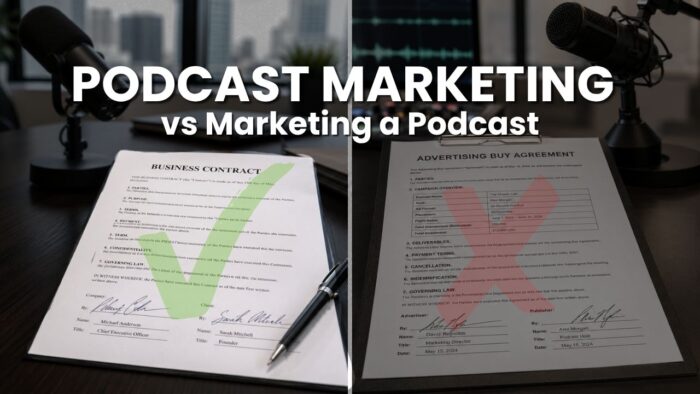
When most business leaders hear the phrase, they think it means promoting a podcast. Growing downloads. Chasing subscribers. Building a show big enough to attract sponsors.

AI-driven generative search engines reshape how information is discovered and consumed, video content is gaining an edge in visibility, engagement, and credibility.
AI offers speed. It brings volume. But used the wrong way, AI will fill the market with noise instead of value. The difference between true productivity and wasted motion is simple: quality at scale comes from combining context, human viewpoints, and then using AI where it excels. Here is the
When I talk about content strategy, I keep coming back to one idea. Information gain. It is important because it gets to the heart of what makes content useful. It asks a simple question. Does this content add something new, or does it just repeat what is already out there?